In 2022, 568 veterans died from a substance-related overdose in California. This was 5.2% of all overdose deaths that happened in the state that year. At Pacific Sands, we understand the impact being in the military and coming back home can have on the mental health of our veteran clients. Today, we are going to discuss the impact of combat stress on substance use.
How Combat Stress Impacts Substance Use Disorders
Being in the military has many stressful concerns that lead to combat stress, sometimes called battle fatigue. Stressors specific to the military include combat exposure, deployment, and reintegration with friends, family, and community.
As they try to cope with the trauma and challenging aspects these things bring, many individuals experience physical and emotional concerns that include irritability, depression, loss of appetite, sleep concerns, headaches, and changes to their personality or behavior. These lead to active duty personnel and veterans turning to substances as a way to cope.
In some cases, certain conditions develop as a result of being in the military and being exposed to combat stress, which also leads to them searching for a way to cope once they return home. These include, but are not limited to, post-traumatic stress disorder (PTSD) and traumatic brain injury (TBI).
Post-Traumatic Stress Disorder (PTSD)
Post-traumatic stress disorder (PTSD) is a mental health condition that develops after experiencing a traumatic event. This is a prevalent disorder for veterans due to the nature of combat, military training, and other possible experiences. This condition changes how someone thinks and feels and involves disturbing thoughts and emotions related to the event. There are 4 types of symptoms that veterans will experience when it comes to PTSD.
- Re-experiencing, which includes flashbacks, nightmares, and frightening, intrusive thoughts about the event
- Arousal and reactivity, which includes feeling tense, being unable to sleep, or being easily startled
- Avoidance, which includes avoiding things, emotions, activities, and places that remind you of the traumatic experience
- Cognition and mood, which include having negative thoughts, losing interest in hobbies, and feeling guilt or blame for the experience happening
As a way to cope with many of these symptoms, or to even try to keep them away, many veterans will begin or continue to consume substances, which leads to a substance use disorder developing.
Traumatic Brain Injury (TBI)
Traumatic brain injuries (TBI) occur from an outward force and, due to the nature of being in combat and around explosives, are common among military personnel and veterans. According to the Centers for Disease and Prevention (CDC), more than 313,816 service members have had a TBI as a result of combat or training. They also occur as a result of vehicle crashes, sports injuries, and falls and are the result of the brain being violently moved in the skull, resulting in damage.
The symptoms people experience from TBI are chronic and severely impact their ability to function in their daily lives. However, it is also possible for someone to not know they have this condition because it is a primarily invisible injury. Common symptoms associated with TBI include:
- Seizures
- Motor impairment
- Depression
- Mood swings
- Memory loss
- Irritability
- Aggression
- Relationship concerns
- Personality changes
- Sensitivity to light
- Constant headaches
- Slurred speech
- Dizziness
As a result of these symptoms, many veterans might turn to substances as a way to cope, which can lead to the development of a substance use disorder. However, there are healthier ways for someone to learn how to manage TBI and live a fulfilling life with the help of a medical professional.
Combat Stress and PTSD: Are They the Same?
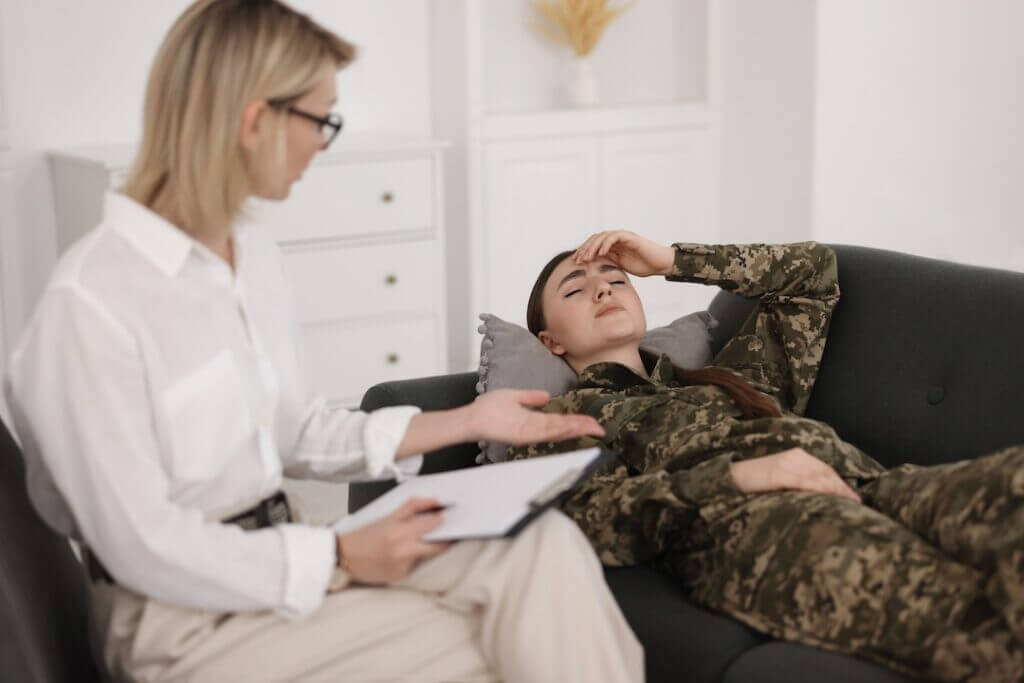
Combat stress and PTSD are frequently confused with each other as they both occur as a result of experiencing traumatic events due to assault, disaster, and war. These conditions also have similar symptoms to each other. However, the difference is the severity and the length of time the symptoms last.
Combat stress is considered temporary and is a natural reaction to being exposed to the trauma of war. Once the person has returned home, symptoms will disappear after a few weeks to months. PTSD is more severe and will continue to interfere with a person’s life long after they are no longer in the military environment. Mental health treatment is required for someone to recover from PTSD. PTSD also typically has flashbacks and recurring dreams that are not present in someone with combat stress.
With that said, trying to cope with the symptoms of either condition feels overwhelmingly impossible. This leads to individuals trying to cope with these conditions in any way that they can because it is natural not to want to feel negative emotions and symptoms. When the way of coping involves substances, while it might take the initial pressures away, it is not a permanent solution and often results in worsening circumstances and concerns.
How Trauma Leads to a Substance Use Disorder
Experiencing trauma does not necessarily mean that someone will have a substance use disorder. Having supportive relationships with friends and family and previously established healthy coping mechanisms reduces the risk that someone develops a substance use disorder after experiencing trauma.
That being said, it is a common risk factor due to the symptoms that often come with trauma and a desire to self-medicate as a way to cope. The substances they are consuming might provide them with comfort, calm, or positive emotions that they might feel are lacking due to their experiences. However, substances only offer a temporary feeling of relief and require the person to continue to take them to have the same or similar results.
Relationships Between PTSD, TBI, and SUDs
PTSD, TBI, and SUDs can occur at the same time, especially when it comes to people in the military. The connection between these disorders may be directly connected to each other from a singular event. The disorders may also develop because of each other as well.
One study showed that 43.9% of people in the military who were diagnosed with TBI also meet the criteria for PTSD. At this time, it is not fully understood what the direct relationship between PTSD and TBI is. It is suggested that it might be due to a conditioned fear reaction during the injury. It is also theorized that TBI impairs the brain to the point an individual is less likely to participate in healthy coping skills, which can increase the risk of PTSD developing. If someone has both of these conditions, it significantly impacts their life, which might result in an increased risk of partaking in substance use as a way to cope.
Substance Use Disorders in Veterans
Over 1 in 10 veterans have been diagnosed with a substance use disorder. This number is higher than the general public. Many times, veterans come back from the military with many concerns, such as pain from physical injuries, mental health conditions, and trauma. They might even find themselves faced with homelessness once they have returned back to the country.
These concerns have a significant impact on their lives. If they don’t have a strong support system or resources to turn to, they might begin to take substances as a way to cope and numb their pain. There are many different types of substances that veterans might use as a way to cope. These include heroin, cocaine, prescription opioids, alcohol, and tobacco.
However, all hope is not lost. Recovery is possible for many individuals through rehab for veterans. During treatment, you will receive specialized treatment designed specifically to the needs veterans have as you gain the necessary tools to live a healthier and happier life.

Substance Use Disorder Help Is Available for Veterans in Santa Ana, CA
Attending addiction rehab allows you to receive the necessary support and be introduced to other veterans with similar experiences. These aspects of treatment will enable you to heal from the stress and trauma that your time in the military may have caused. In addition, you will learn and develop coping mechanisms unique to you, enabling you to leave substances behind and find a new, healthier version of yourself.
Pacific Sands is a high-end facility that provides substance use disorder treatment for veterans in Santa Ana, CA. This is an excellent place for individuals who have mobility concerns or disabilities, such as veterans who may have been physically injured during combat. For more information, contact us at 949-426-7962 today.
Pacific Sands – The first step towards a new life.