Peer support can help veterans feel more understood and supported in substance use treatment by creating space for open communication, shared understanding, and consistent encouragement during recovery.
Veterans recovering from substance use disorders often find that talking openly about shared recovery experiences, even with peers from different backgrounds, is transformative. Peer connections help reduce isolation, build trust, and make therapy feel more comfortable.
The need for support is real. According to a USC study of Orange County veterans, post-9/11 veterans are nearly 2.5 times more likely to screen positive for significant alcohol use than their pre-9/11 counterparts.
If you or a loved one is seeking a small, intimate veterans treatment program that protects your dignity and privacy, Pacific Sands offers one-client-at-a-time care and personalized treatment planning in Orange County, CA.
Here’s how peer support works and why it can be especially meaningful for veterans in recovery.
Why Peer Support Matters for Veterans
Veterans often carry experiences that civilians may not fully understand, but the benefit of peer support does not depend on being surrounded by other veterans.
Instead, it comes from being part of a supportive recovery community where people feel safe enough to talk, listen, and share at their own pace.
In a small, private group setting, you don’t have to work as hard to explain why certain reactions feel intense or why some days feel harder than others. You can participate in conversations where others are working through their own challenges, which reduces isolation and builds trust naturally.
Key benefits of peer connection:
- Reduced isolation
- Stronger sense of safety
- More comfort in opening up
- Better engagement in therapy and group support
Peer support gives veterans a reliable space to be heard without pressure or judgment, making early treatment more approachable and later stages more productive.
How Military Values Can Influence Recovery
If you’re a veteran, you know what it’s like to carry values shaped by years of service. Responsibility, teamwork, commitment, and discipline may continue to influence how you approach challenges in civilian life.
These strengths bring resilience into treatment, but they can also make it difficult to ask for help.
You may feel pressure to manage everything on your own. Or you might feel uncomfortable sharing emotions, even when you’re in pain.
These are understandable responses shaped by your training and experience.
Peer support helps ease those pressures. People in recovery often share experiences with trauma, loss, life transitions, or emotional pain. Even when backgrounds differ, your support group becomes a place where vulnerability is met with respect.
How Peer Support Strengthens Core Values
| Military Value | How It Shows Up in Recovery | How Peer Support Helps |
|---|---|---|
| Commitment | Feeling pressure to manage everything alone | Encourages asking for support as a responsible step |
| Team mindset | Missing a sense of shared purpose | Creates a supportive environment with shared goals |
| Accountability | High expectations of oneself | Promotes steady progress without judgment |
Peer support helps you use these strengths in healthier, more connected ways.
The “Translation Gap” and Why It Slows Progress
In treatment, some veterans find themselves explaining context before they can get to what they feel. This is sometimes called the “translation gap.”
The translation gap is the effort required to describe experiences, reactions, or habits that may not be familiar in civilian settings.
That additional effort can feel tiring or discouraging.
In group treatment, conversations are often about shared human challenges like stress, grief, responsibility, or pain. Veterans do not need to fully explain their history for others to relate to the emotional weight behind it.
In a small group, people can connect through honesty, empathy, and lived experience, even if their backgrounds differ. This reduces communication barriers and makes it easier to participate meaningfully in the recovery process.
Moral Injury and PTSD: Why Peer Support Helps Both
PTSD and moral injury are both common concerns among veterans, but they involve different emotional experiences.
- PTSD often involves fear-based reactions to traumatic events.
- Moral injury involves emotional conflict, guilt, or distress related to a painful or value-challenging situation.
Both can make you feel disconnected or hesitant to share openly.
Peer support helps by reducing shame and creating consistent opportunities to talk about difficult emotions in a supportive environment. Veterans often realize they’re not alone in feeling overwhelmed, stuck, or unsure how to move forward.
These shared moments help reduce isolation and strengthen engagement in therapy.
Peer support also reinforces that there is no single way to recover and no expectation to have everything figured out. Veterans can explore their feelings with others who are also learning to navigate their own challenges.
Shared Recovery Challenges in Group Settings
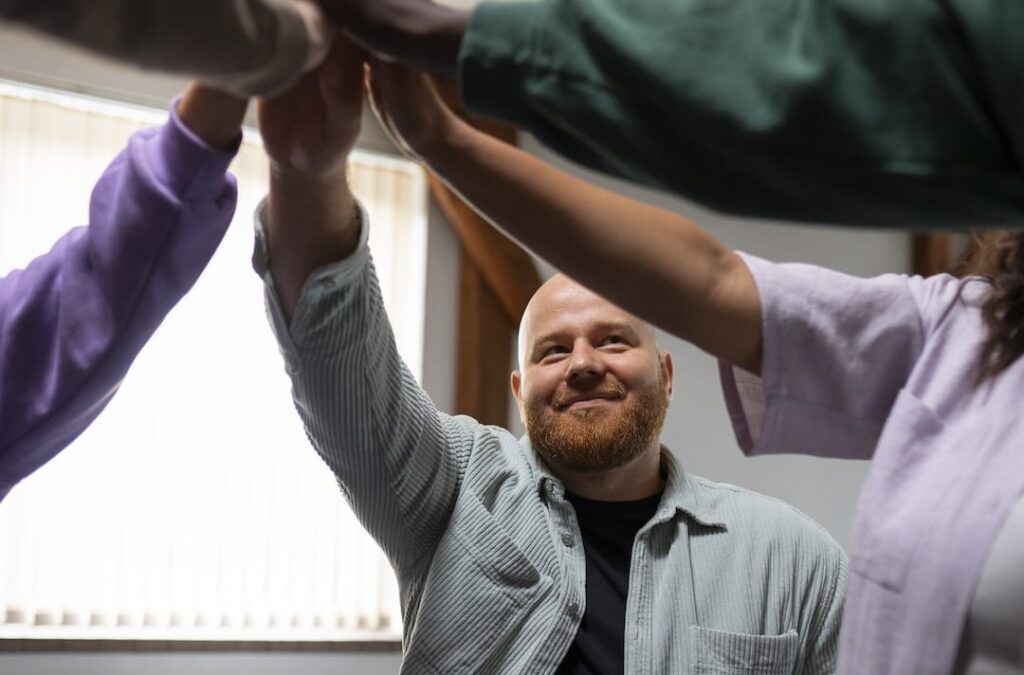
In group settings, you’ll benefit from peer support because many people in treatment share experiences with trauma, major life transitions, or long periods of suppressed emotion. These shared challenges create common ground that feels supportive rather than isolating.
Veterans often describe relief in realizing that others in the room also struggle with guilt, stress, grief, or sudden emotional overwhelm.
This connection can help you feel less guarded and more willing to participate in therapy. It also reinforces that recovery isn’t something you have to navigate alone. The shared experience of healing becomes a powerful source of motivation.
How Peer Support Helps Families
Families often want to support their loved ones but may struggle to understand certain reactions or emotions. This can create tension or emotional distance, even when everyone wants the same outcome.
When veterans participate in peer support, they often feel more understood and grounded, which takes pressure off family members to interpret every feeling or reaction.
In this setting, loved ones can focus on offering encouragement instead of trying to solve complex emotional struggles.
As veterans build healthier connections in treatment, communication often improves at home as well, which strengthens family relationships and creates a more stable foundation for long-term recovery.
Peer Support After Treatment
The transition out of a structured program can be challenging: daily routines shift, stressors change, and new responsibilities appear.
Peer support continues to help during this time. Staying connected through groups, aftercare, or alumni activities offers ongoing support and encouragement. The shared experience of recovery creates a support system that lasts beyond treatment.
These post-treatment relationships can help you stay grounded, avoid isolation, and maintain progress as you re-establish routines in recovery.
How Pacific Sands’ Small, Private Environment Strengthens Peer Support
Peer support becomes more meaningful when the environment is calm, stable, and private.
At Pacific Sands, we provide a six-bed treatment setting designed to reduce overwhelm and protect personal space. This environment is designed to help you feel more comfortable participating in group conversations, as it encourages a natural connection with other people in treatment.
The small size also means peers see each other consistently, which builds familiarity, trust, and accountability. Progress is noticed and difficult days are met with support. And group members encourage each other in ways that feel personal, not generic.
Our structure at Pacific Sands includes:
- One-client-at-a-time admissions
- Personalized treatment planning
- Privacy-focused care
- Trauma-informed practices
- A calm, private environment in Orange County, CA
These features help veterans feel safe enough to share openly, and increase the opportunity for you to stay committed to your recovery goals.
Treatment Options for Veterans at Pacific Sands
Veterans benefit from treatment options that match their clinical needs, daily responsibilities, and emotional stability. Pacific Sands offers several levels of care so veterans can receive the right amount of support at each stage of recovery.
Residential Treatment
Residential treatment provides a quiet, private setting where veterans can stay on site and focus fully on recovery. This level of care includes therapy, medication management, and medical oversight during detox when needed.
Partial Hospitalization (PHP)
PHP offers a high level of structure while still allowing veterans to return home in the evenings. The program includes frequent therapy, medication management, and clinical support throughout the day.
Intensive Outpatient Treatment (IOP)
IOP is a good fit for veterans who need more support than standard outpatient care but do not require the structure of residential treatment. IOP includes scheduled counseling, skills-building groups, and access to medication-assisted treatment.
Outpatient Care
Outpatient care provides the most flexibility. Veterans attend scheduled appointments while living at home, continuing therapy, and participating in recovery groups. This level of care is often used as a next step after completing a higher level of support.
Across all levels of care, Pacific Sands provides trauma-informed treatment, clinical oversight, and support for co-occurring mental health needs so veterans can work on both substance use challenges and the emotional concerns that often accompany them.
Veteran Peer Support in Orange County, CA
For veterans, peer support creates connection, reduces isolation, and helps you feel more understood throughout recovery.
Pacific Sands strengthens this process through a small, private environment that prioritizes individualized attention and privacy-focused admissions.
If you or someone you love is ready for a supportive, private space to begin recovery, Pacific Sands offers one-client-at-a-time care and personalized treatment planning.
Call Pacific Sands Recovery at 949-426-7962 to get started.
Pacific Sands: The First Step Towards a New Life